
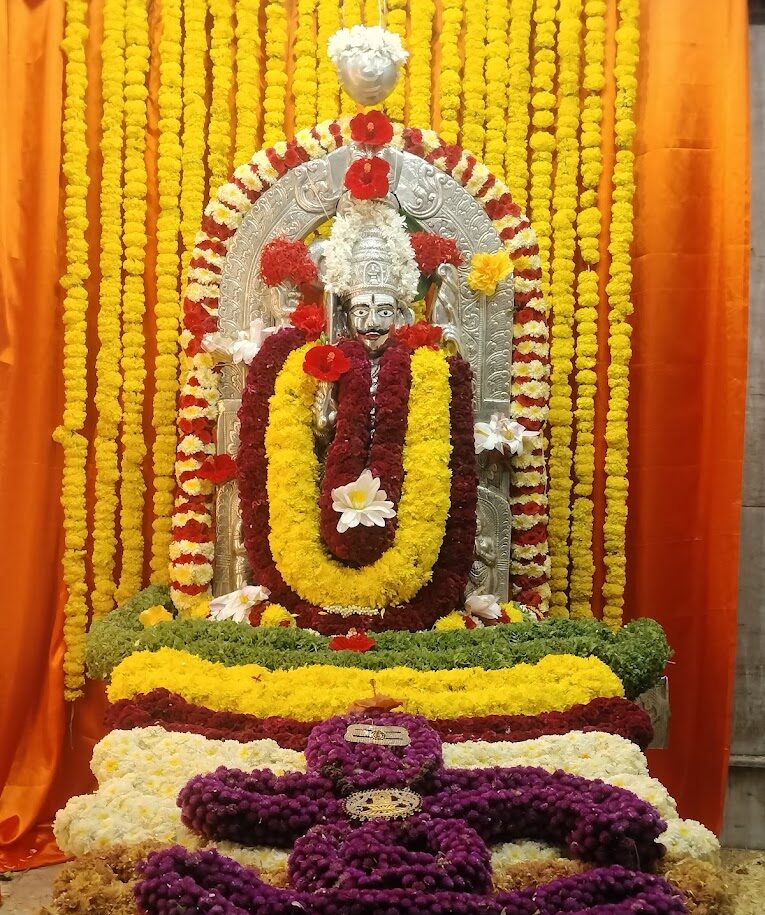
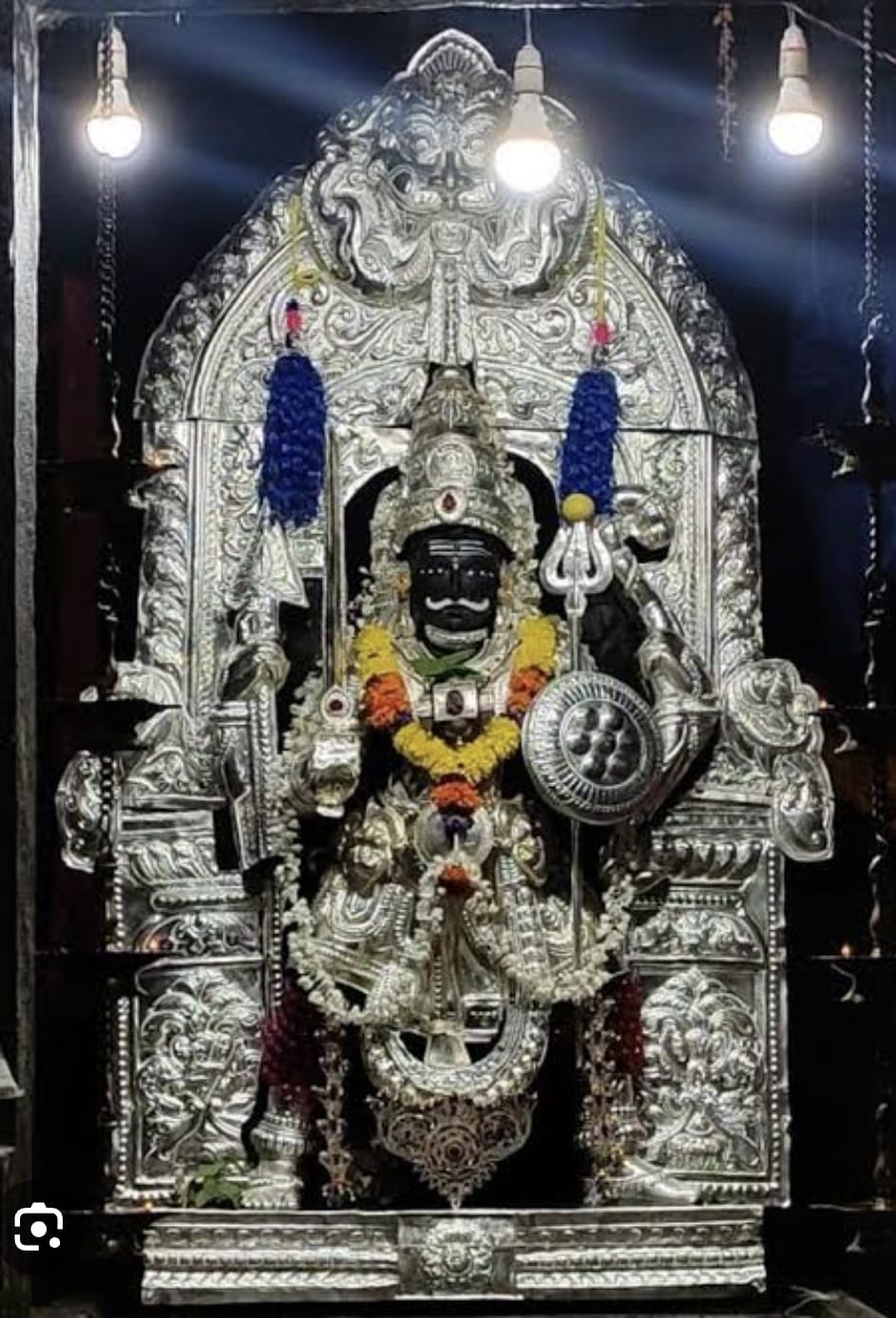
About the Temple – Sukshetra Rattihalli Sri Veerabhadreshwara Temple
The Shri Veerabhadreshwara Temple located in the sacred land of Sukṣhetra Rattihalli is an ancient and historically significant holy shrine. This temple is believed to have been constructed during the 4th and 5th centuries under the reign of the Banavasi Kadamba king Mayuravarma, showcasing a harmonious blend of Kadamba and Nāga architectural styles.
The unique significance of this temple lies in the fact that the idol of Shri Veerabhadreshwara is consecrated in the mythological Sharabhavatara form, facing north. Opposite the deity sits Mother Parvati Devi, depicted in a peaceful form seated in the Padmāsana (lotus posture). This divine scene instills devotion, serenity, and spiritual peace in the hearts of devotees.
According to mythology, when Shri Veerabhadra manifested in his fierce Rudra form as Sharabhavatara, Mother Parvati herself appeared to pacify and calm his divine anger. This sacred legend further enhances the spiritual and historical importance of this holy place.
During the reigns of the Kalyana Chalukyas, Rashtrakutas, and the Rattas, the temple continuously upheld its religious worship practices and administrative traditions according to the Veerashaiva tradition.
Today, this temple is recognized as one of the country’s important historical and religious centers. Every year, during the Ugadi festival, the grand Rathotsava (Chariot Festival) of Shri Veerabhadreshwara Swamy is celebrated magnificently for nine days. Thousands of devotees from across India and abroad gather to seek the divine blessings of the deity.